Category Archives: The New Times

How women are championing nutrition through Agribusiness

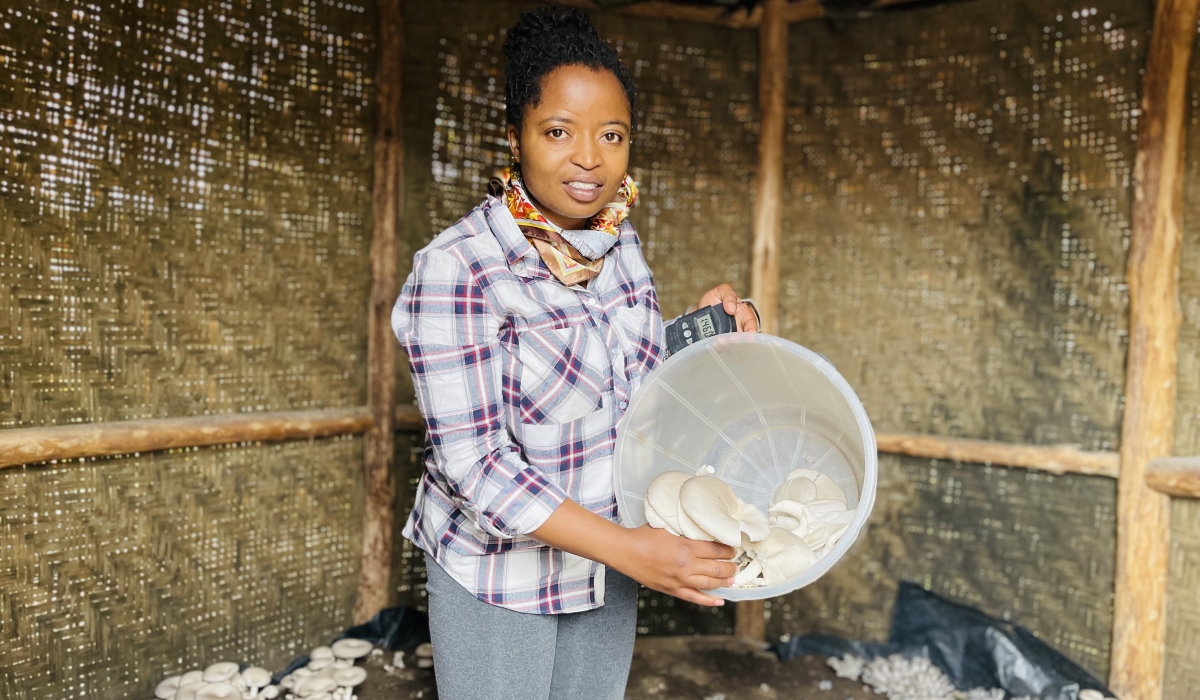
Adeline Umukunzi shows mushrooms from one of the shelters in which she grows the crop, on her farm located in Muko Sector, Musanze District, on Saturday, March 18, 2023. Emmanuel Ntirenganya

Adeline Umukunzi stands in a field in Musanze District picking nutritious mushrooms from inside a small covered structure. The structure provides an environment with moisture, low light, and humidity, which enables these umbrella-shaped fungi to thrive.

Umukunzi, who is now 28-years-old started growing mushrooms in 2018 after completing secondary school, with just 10 mushroom spawns, locally known as “imigina,” which she bought at Rwf5,000 and grew in a basin filled with soil.

Mushroom spawns can be likened to seeds for crops, and Umukunzi said one can produce some 400 grams in a three-month life span. “I used to sell the mushrooms to neighbors and increased investment as they expressed appreciation for them,” she said.
Read Full Article

Women in informal sector want tax exemption in time off after giving birth

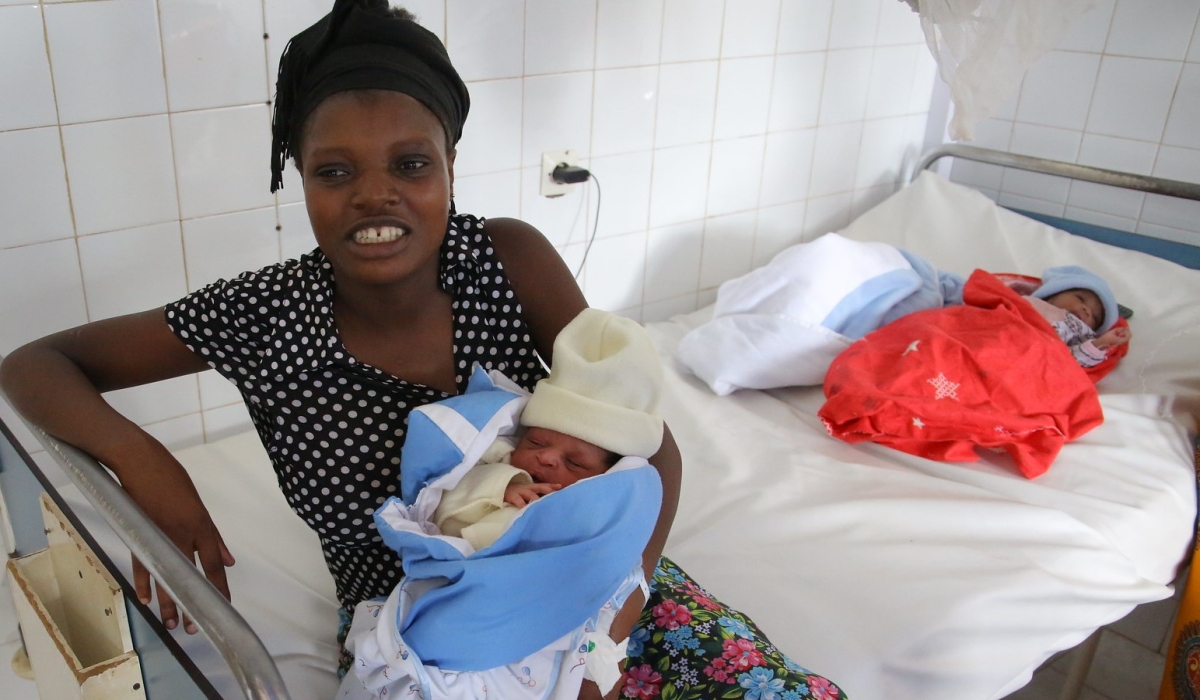
A woman holds her baby after giving birth at Kacyiru Hospital on January 1, 2022. Craish Bahizi

Women who work in the informal sector have requested to be relieved from some taxation during their time off after giving birth.

It was pointed out that women working in the informal economy, often under unwritten agreements and with little to no knowledge of labor laws that are designed for employment in the modern and organized formal economy, often don’t benefit from amenities that the law could provide for.

Take, for example, taxes. “After we give birth, regardless of whether you had a difficult pregnancy or took a long time to recover, and couldn’t go to work for a long time; you still have to pay taxes, regardless of whether you earned anything during that period,” explained Jeanine Mukamana, a retailer in Kimironko market.

Read Full Article Watch Video

Women in peacekeeping: How is Rwanda faring?

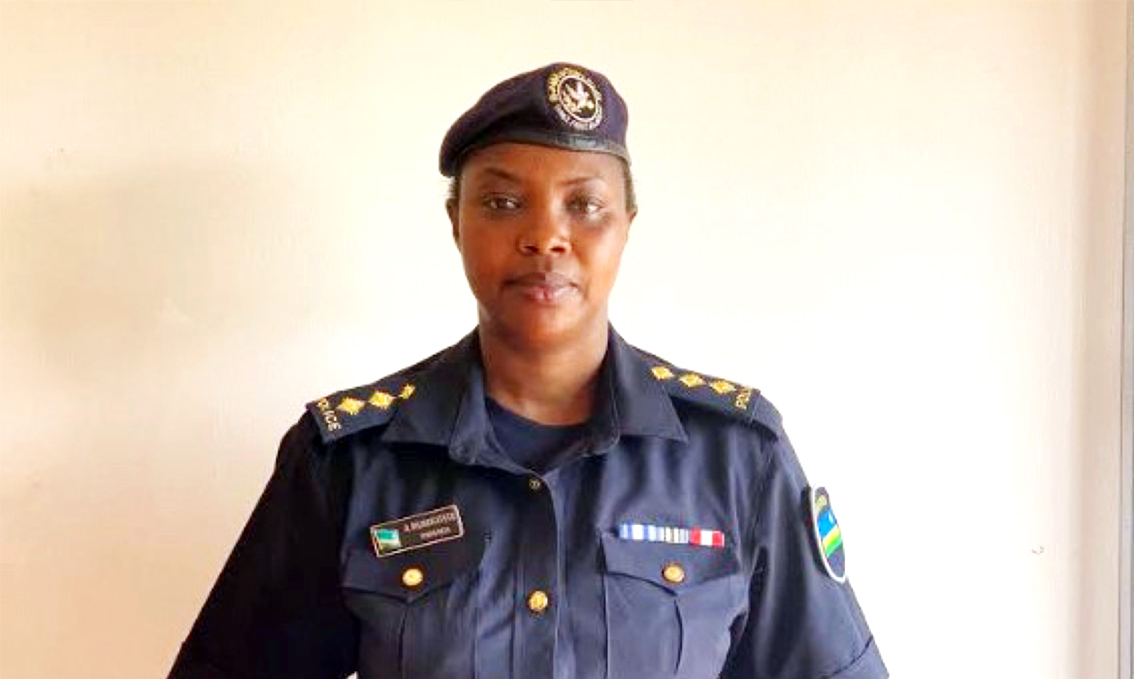
Director of Individual Police Officers (IPO) in the Department of Peace and Support Operations at Rwanda National Police, RNP, Chief Inspector of Police (CIP) Alphonsine Murekatete. Courtesy

The month of March has the world celebrating women’s achievements and reflecting on the women’s rights movement, with March 8 marking International Women’s Day.

Nevertheless, hundreds of thousands of women in wartime and armed conflicts increasingly bear the burden of armed conflict, being the targets of specific forms of violence and abuse, including rape and other forms of gender-based violence. This attracted the UN Security Council Resolution (UNSCR) 1325, which mandates member states to expand women’s participation at all decision-making levels—national and international—in the field of peace and security.

The resolution’s operational clauses urge for more women to engage in peace process negotiations, conflict settlement, and UN peacekeeping operations, and call for more women to fill senior UN leadership positions.

Read Full Article

Gisagara: Where men are leading the fight against gender-based violence

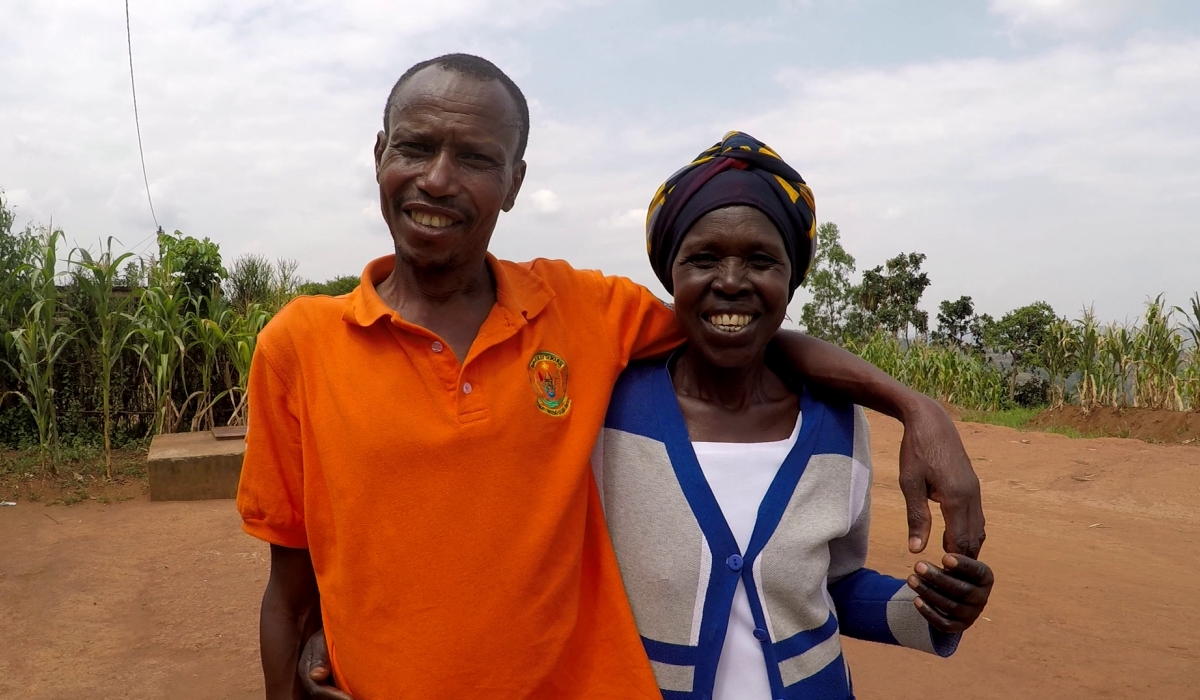
Frederick Sibomana and his wife Eugenie Mukandoli pose for a picture. Photos by Moise Bahati

The year 2017 found Eugenie Mukandoli optimistic about her marriage once again like she had been in 1981 when she got married to Frederick Sibomana. For the larger part of their union, Sibomana had been an abusive partner.

But since 2016 when the couple began their ‘journey of change,’ Sibomana has become a more cooperative partner.

Thanks to a series of gender-sensitive sessions by the organisation Rwanda Men’s Resource Centre (RWAMREC), Sibomana, 64, and Mukandoli, 65, got to learn about gender-based violence and its causes.

At their rural home in Save Sector, Gisagara District, a soft-spoken Mukandoli said recently that she had for years remained silent about Sibmana’s behaviour.

Read Full Article

10 landmark laws enabling women’s rights protection

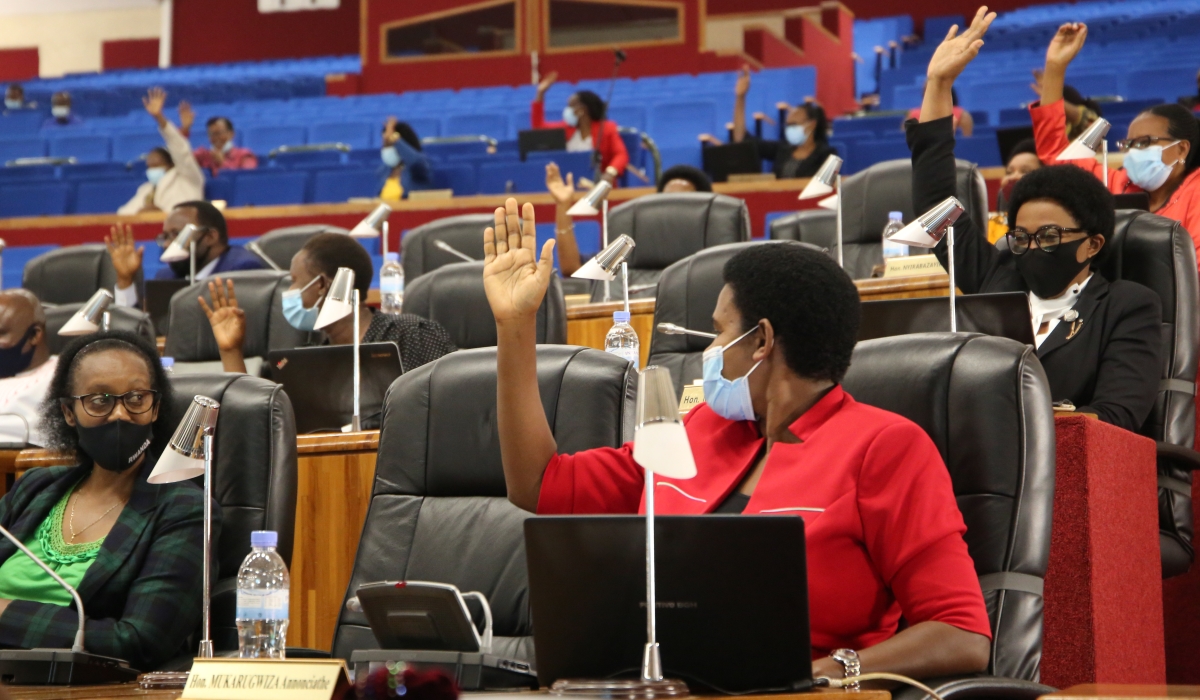
Members of Parliament during a plenary session in 2022. In Rwanda, the fact that the legislation gave equal land rights to women and men, the parliament voted many laws in line with the protection of women’s rights after the Genocide against the Tutsi. Photo by Craish Bahizi.

In 2019, Chantal Mukeshimana and her three sisters got a piece of land from their parents, something that was not possible over two decades ago because of legislation that denied women the rights to such property.

This Gakenke District resident is one of the many women who are enjoying their rights to property, as a result of related laws that were enacted after the 1994 Genocide against the Tutsi.

Without such laws, the property rights would be a preserve of the three sons of Mukeshimana’s parents, while their four daughters, Mukeshimana inclusive, would be excluded.

“Our parents gave us a piece of land,” she told The New Times, appreciating the fact that the legislation gave equal land rights to women and men.

Read Full Article

Midwife on empowering colleagues, why pregnant women need prenatal counselling

Aude Kaze, founder, Kwezi widwife initiative

A number of women in Rwanda are not offered prenatal counselling and care, yet during pregnancy, it helps detect potential concerns early and reduces the risk of pregnancy and birth complications, says Aude Kaze, a 33-year-old midwife.

It is for this reason that she started the Kwezi Midwife Initiative in 2021 to empower midwives and enrich the collaboration between them and their patients, whilst giving expectant mothers much-needed prenatal counselling.

Kaze also offers classes for delivery preparation, and these start at 32 weeks of pregnancy to when the woman’s due date is close. The aim is to help ease the labour process and ensure safe delivery.

“I create a safe place for women to open up about any conditions that could have implications on their pregnancy, and advise them on how to manage them. Some of these include diabetes, hypertension, thyroid disease, and others,” Kaze says.

Read Full Article

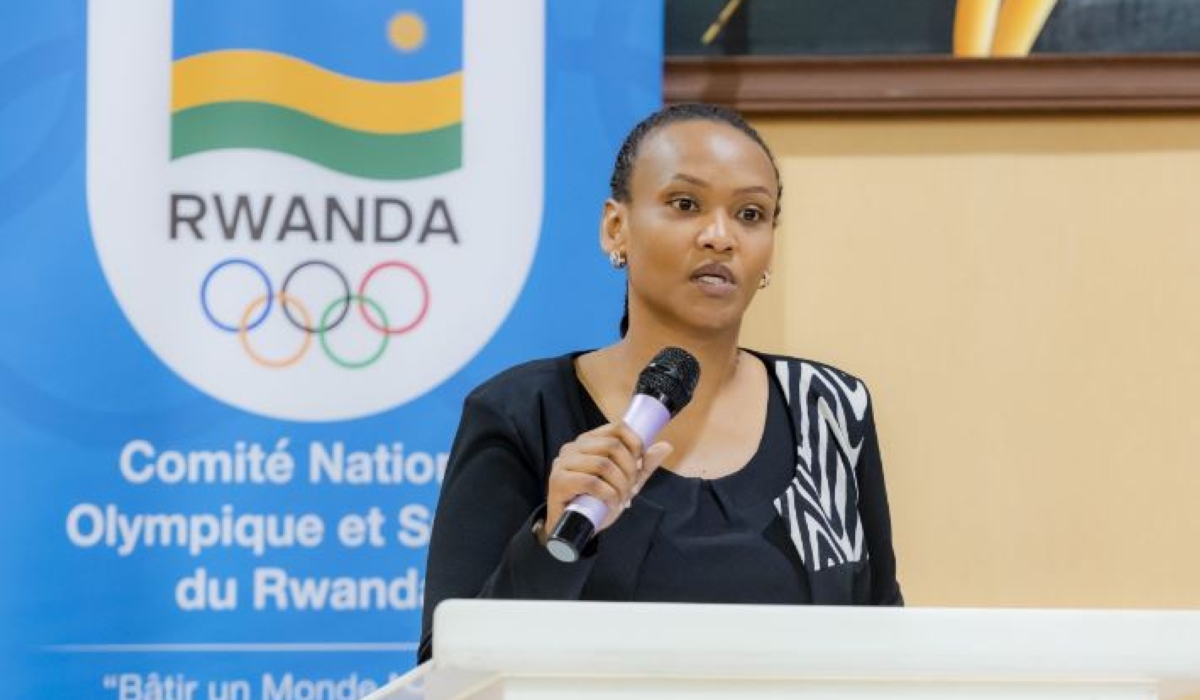
What should be done to have more women in decision-making roles in sports?

Alice Umulinga, President, RNOSC

In the rural areas of developing countries like Rwanda, women often face unique challenges that hinder their economic and social empowerment. However, technology has emerged as a powerful tool for transforming their lives, despite some challenges that still arise.

Rita Nishimwe, a young girl from Karongi district’s Rubengera Sector, is one example.

Despite facing challenges such as limited opportunities and lack of access to resources, Nishimwe found a way to create a job for herself by becoming an MTN agent, thanks to a simple mobile phone, she now facilitates transactions for different people and earns a monthly salary…

Read Full Article

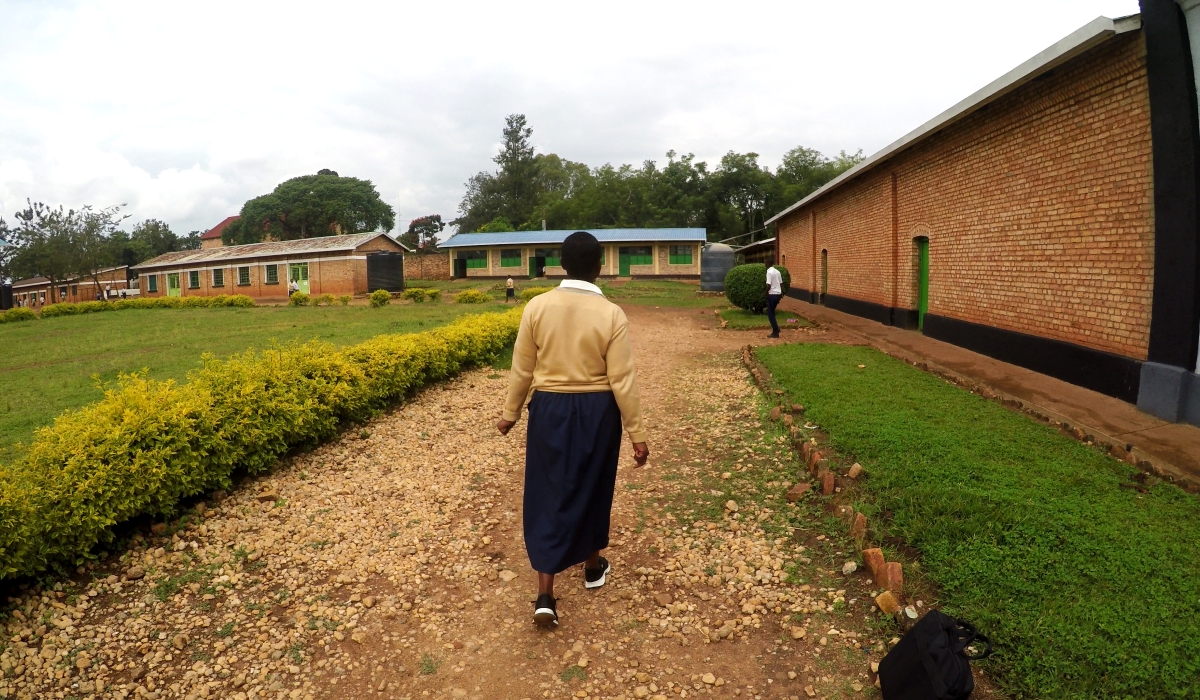
Period poverty: Should sanitary pads be made free?

Anita (not her real name) is a Senior 6 student at Groupe Scolaire Butare Catholique in Huye District.

While initiatives like Icyumba cy’umukobwa (or the girl’s room) built at each school, have led to less stigma and more chances for girls, thousands of women and girls still cannot afford sanitary pads.

Anita is a Senior 6 student at Groupe Scolaire Butare Catholique in Huye District. Anita (not her real name) said having the room at her school has given girls chances they once wished for.

“In primary school, when a girl had her period and stained her skirt, the boys would laugh at her and it made us all uneasy,” she said.

A typical girl’s room has a bed, free sanitary pads, a washroom and budget to keep it operational.

Having the room at the school has changed a lot for girls, who used to miss classes during their period, explains Valentine Tuyishimire, a teacher in charge of the girl’s room at the school.

Read Full Article

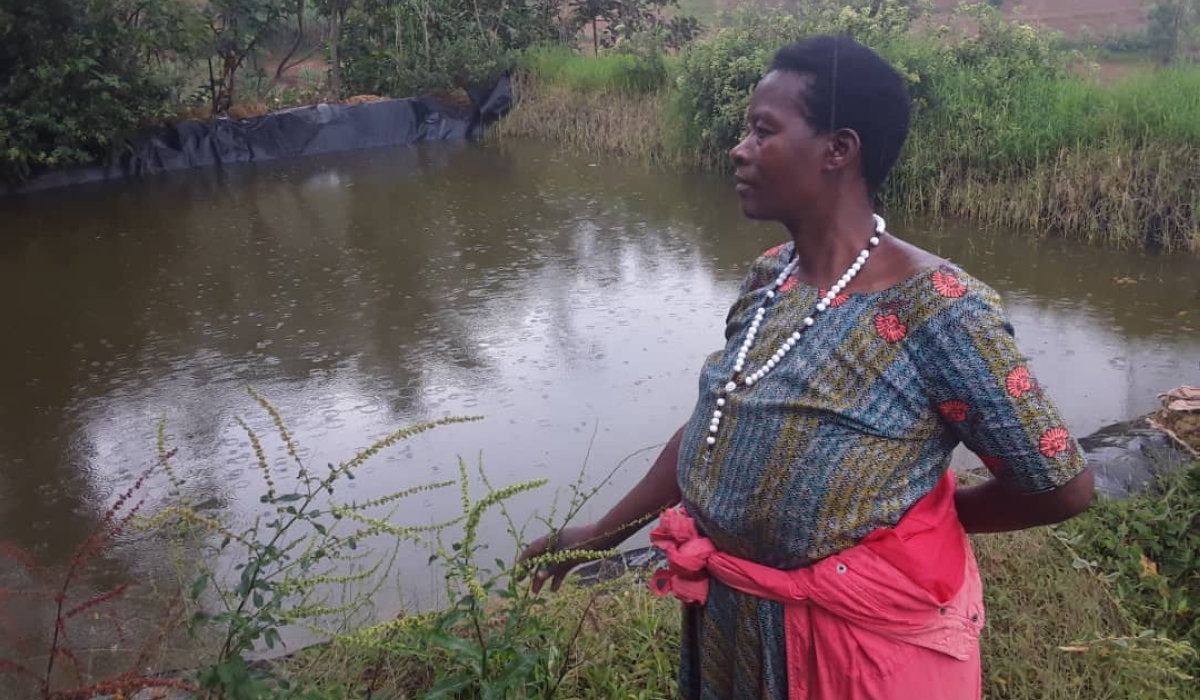
Gakenke: How women farmers cope with dry spells and floods using climate resilience mechanisms

Felicite Umwanzintabakure, a resident of Taba cell, Gashinyi sector in Gakenke District.

Felicite Umwanzintabakure, a farmer and resident of Gashinyi sector in Gakenke District, knows a thing or two about the effects of dry spells and floods, given that she has faced the challenges.

“We would till and plant but after some months, dry spells would wither all the crops. When there is food insecurity in the family, women and children are most affected. It sometimes triggers conflict since some men leave their families and women remain struggling to get food for their children,” she said.

According to figures from Rwanda Agriculture and Animal Resources Development Board, only four per cent of arable land (any land capable of being ploughed and used to grow crops) is irrigated in Rwanda.

Read Full Article

One woman’s quest to champion tennis development among girls

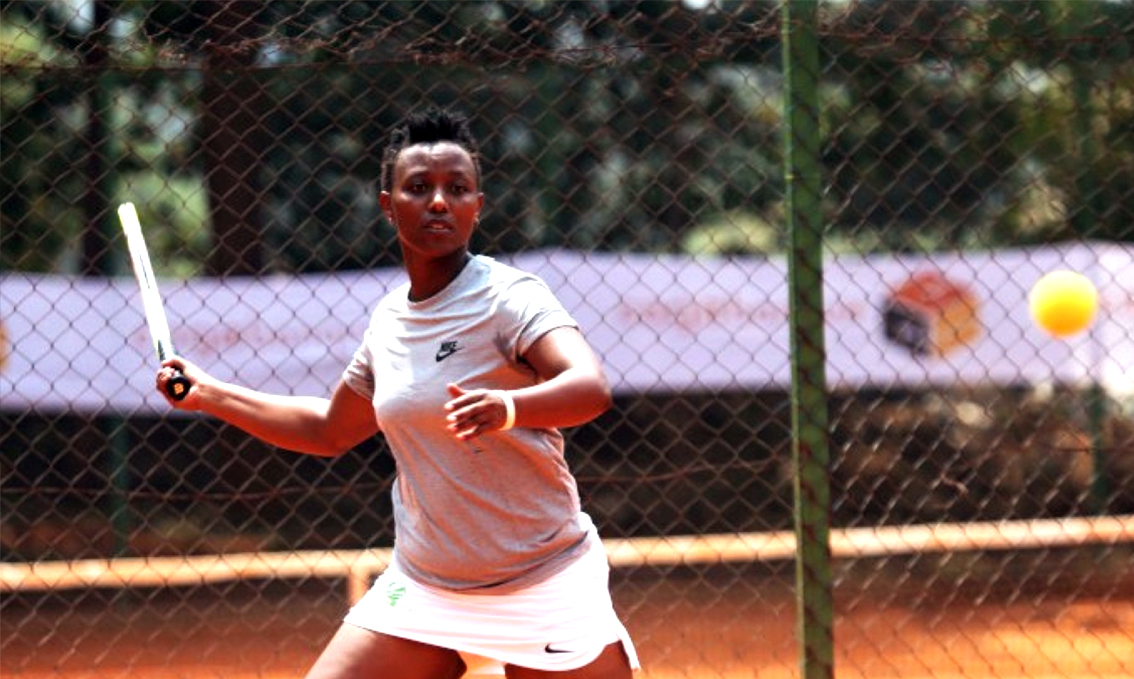
Joselyne Umulisa during the game. Umulisa has been in Tennis during the past two decades. Sam Ngendahimana

Joselyne Umulisa has been in tennis during the past two decades. She joined the sport as a player in 2003 when she was a secondary school level two student and her passion for the sport inspired her to share her experience to the young generation with an ultimate goal to see Rwandan tennis hitting a satisfying level that every Rwandan would be proud of.

She played as an individual and for the national team, before embarking on her coaching career.

Arguably one of the best tennis players that the country has ever produced, Umulisa caught up with Times Sport’s Peter Kamasa on what drives her to champion Tennis development among young talents and her plan to uplift young girls in the tennis game in particular.

Read Full Article